

Understanding Parasitology in Rottweilers: A Breeder’s Guide
Introduction
As a responsible Rottweiler breeder, ensuring the health and well-being of your dogs is of utmost importance. One aspect that often goes unnoticed but is critical to your Rottweiler’s health is parasitology. Parasites can have a significant impact on your Rottweiler’s health, and it’s essential to understand how to prevent, diagnose, and treat them. In this article, we’ll delve into the world of parasitology and its relevance to Rottweilers.
The Importance of Parasitology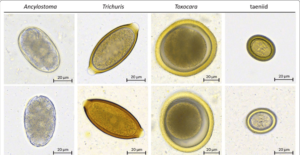
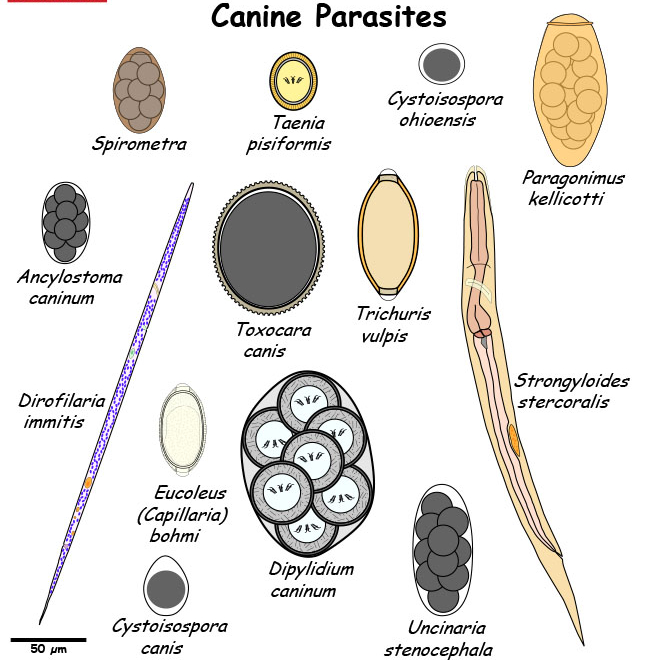
Parasitology is the study of parasites, organisms that live on or inside another organism, often causing harm. For Rottweilers, parasites can pose a serious threat to their health. Common internal parasites in Rottweilers include roundworms, hookworms, tapeworms, and whipworms. These parasites can lead to digestive issues, malnutrition, and a weakened immune system.
The Role of Fecal Examinations
Fecal examinations are a vital tool in parasitology. They help identify the presence of internal parasites in your Rottweiler’s digestive system. A fecal examination involves analyzing a small sample of your dog’s feces under a microscope to detect parasite eggs or larvae. To ensure accuracy, it’s crucial to use the right techniques, such as centrifugal flotation, and maintain proper sample size and consistency.
Factors to Consider
- Sample Size and Consistency: Adequate sample size is essential; one gram of formed feces is ideal for testing. If the feces are soft or liquid, a larger sample is necessary.
- Flotation Solutions: The density of flotation solutions affects parasite recovery. Preparing and maintaining solutions correctly is crucial to avoid underdiagnosing infections.
- Centrifugation: Centrifugation of sieved feces is recommended for accurate results. It separates parasites from fecal debris effectively.
Prevention and Treatment
While regular fecal examinations are essential for monitoring your Rottweiler’s health, prevention is equally crucial. Effective parasite control strategies, including deworming, should be part of your breeding program. Consult with your veterinarian to establish a parasite prevention plan tailored to your Rottweilers’ needs.
Conclusion
In conclusion, understanding parasitology is essential for Rottweiler breeders. Regular fecal examinations, proper techniques, and preventive measures can help ensure the health and well-being of your dogs and their future owners. By staying vigilant and informed, you can provide Rottweilers with the best possible start in life, free from the burdens of internal parasites.